
Being unhappy with your nose early after a first rhinoplasty does not automatically mean that you need another operation. Swelling can persist, scar tissue matures gradually and the nasal tip may continue to change for many months. The key is to separate temporary healing from a persistent structural problem.
What is revision rhinoplasty?
Revision, or secondary, rhinoplasty is surgery on a previously operated nose to address aesthetic, structural or functional concerns. It can be more complex than primary rhinoplasty because anatomy has been altered, scar tissue is present and available septal cartilage may be limited.
When might revision be considered?
- Persistent deviation or clear asymmetry
- Ongoing or new breathing difficulty
- Stable contour irregularity, collapse or residual hump
- Loss of tip support, drooping or excessive rotation
- Nasal valve narrowing or structural collapse
- A meaningful and persistent mismatch between goals and the healed result
Why do most patients wait about 12 months?
In most cases, revision surgery is best considered after roughly one year. This allows swelling to settle, scar tissue to mature and the skin envelope to adapt to the new framework. Operating too early can disturb tissue that is still changing and can make planning less reliable.
Can revision ever be done earlier?
There are exceptions. Significant functional compromise, trauma or infection require timely evaluation, and a very limited correction may occasionally be considered earlier in a carefully selected patient. Timing should be decided by the examining surgeon.
Why is revision more difficult?
Normal tissue planes may be scarred and support structures may be weakened. If septal cartilage is insufficient, graft material from the ear or rib may be considered. The goal is not only to improve shape but also to restore durable support and preserve or improve the airway.
Should I speak with my first surgeon?
If possible, obtain your previous photographs and operative records. Speaking with the original surgeon can be useful. If you seek another opinion, look for a surgeon with regular experience in revision rhinoplasty who also evaluates nasal breathing.
What is assessed during consultation?
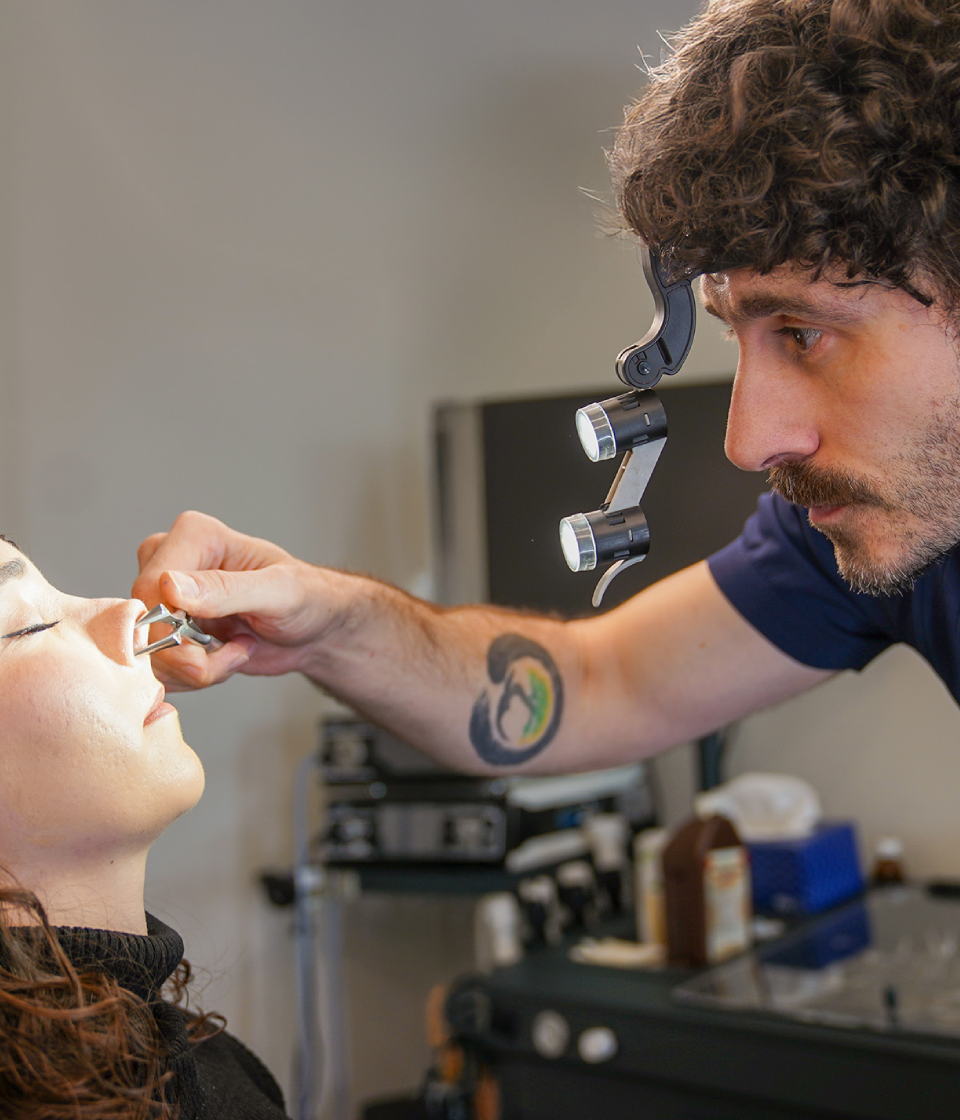
Standardized photographs, skin thickness, septum, nasal valves, remaining cartilage, scar tissue and facial proportions are reviewed. Your concerns should be defined precisely and the surgeon should explain which changes are realistically achievable.
Bottom line: revision rhinoplasty should rarely be rushed. The best time is usually when healing has matured and a concern has proven persistent. This article is general information and does not replace medical evaluation.