
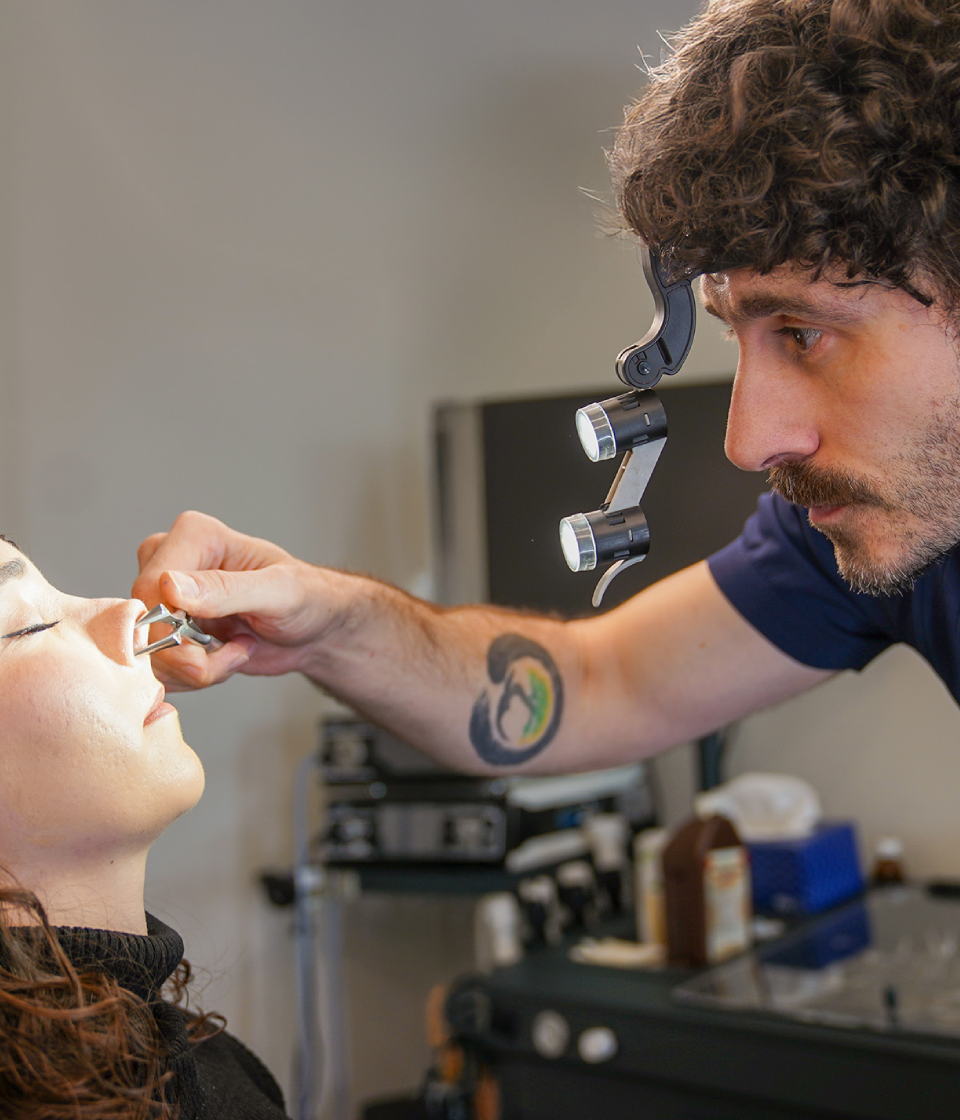
There is no single ideal age for rhinoplasty. More important than the number on a birth certificate are facial maturity, overall health, realistic expectations and the ability to make an informed decision. Assessment changes at the younger and older ends of the age range.
When is nasal growth complete?
Facial and nasal growth is generally close to completion around age 15-16 in girls and 16-18 in boys, although individual development varies. Age alone therefore should not be the only criterion.
Can rhinoplasty be performed before 18?
Purely cosmetic surgery is usually not rushed. Earlier assessment may be appropriate for significant congenital deformity, trauma, major breathing obstruction or other important concerns. For minors, parental consent, the young person's own motivation and emotional maturity are particularly important.
Why is rhinoplasty common in young adults?
Facial growth is complete and tissue quality and healing capacity are often favorable. However, this does not mean that the 18-30 age range is mandatory or universally best. Suitable patients in their 30s and 40s can also undergo rhinoplasty.
Can I have rhinoplasty after 50?
Yes. Age 50 alone is not a contraindication and there is no fixed upper age limit. With age, skin elasticity, cartilage support, tip position and general health become more important. Surgical planning may need to be more supportive and conservative.
What health factors matter in older patients?
- Cardiovascular health
- Blood pressure and diabetes control
- Medications including anticoagulants
- Smoking
- Anesthetic fitness
- Skin and soft-tissue quality
Three things more important than age
First: facial growth and anatomical maturity. Second: overall health and safe anesthesia. Third: realistic expectations and a decision made for the patient's own reasons.
How is the right timing decided?
Every patient is assessed individually. Growth and emotional readiness matter more in teenagers, while medical fitness and tissue quality become increasingly important in older adults.
This article is general information. Patients under 18 and older patients with medical conditions need individualized medical assessment.